What You Should Know About Capital Gains & Property Taxes When Buying a Home in Canada
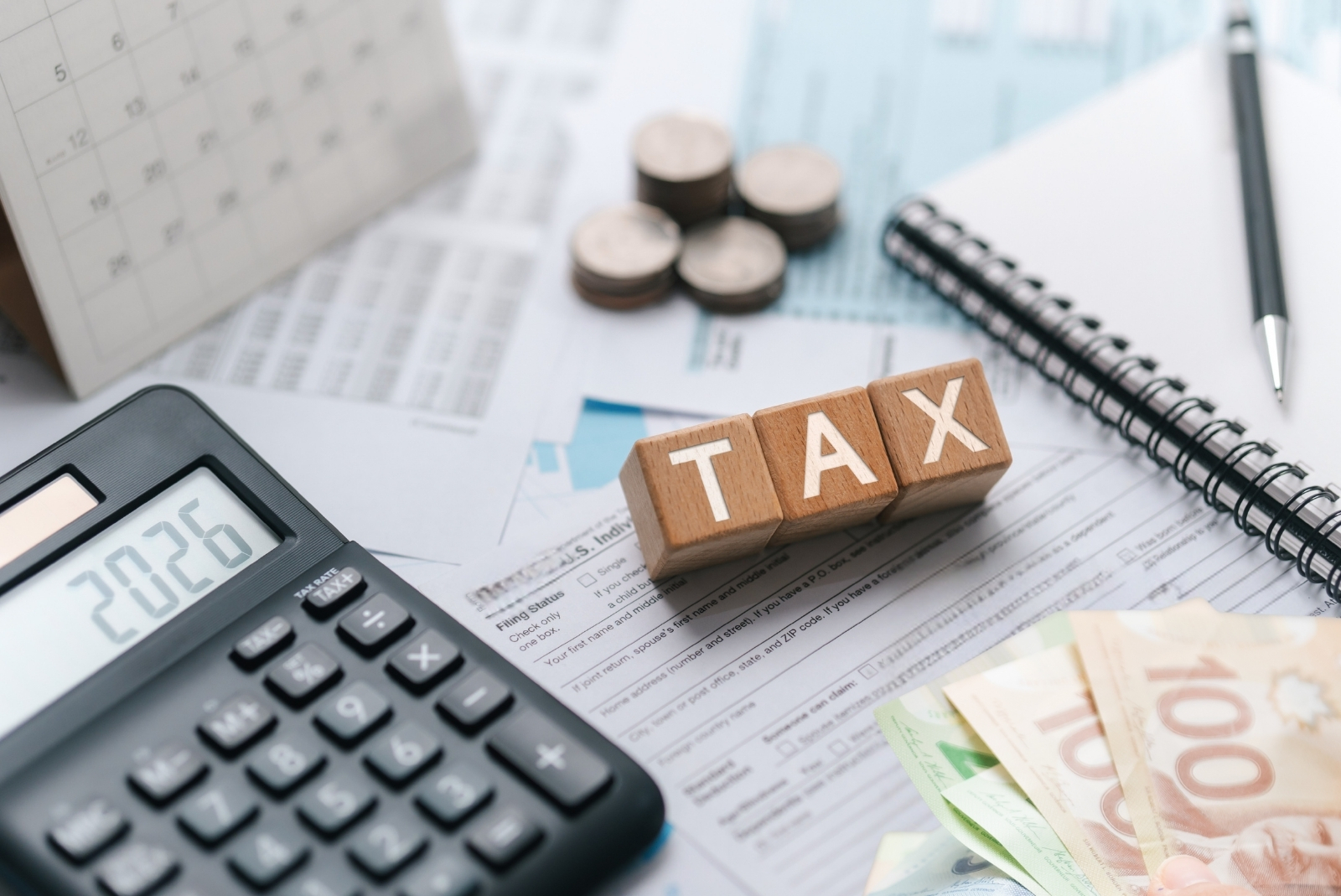
Buying a home is one of the biggest financial decisions you’ll ever make — and understanding how taxes work can help you plan wisely for the future. Whether you’re purchasing your first home, moving up, or investing in real estate, it’s important to know how capital gains tax and property taxes may affect you down the road.
As your trusted Realtors, we’re here to break down the essentials in a simple, straightforward way.
1. The Principal Residence Exemption: Why Most Homeowners Pay No Capital Gains Tax
One of the biggest tax benefits for Canadian homeowners is the Principal Residence Exemption (PRE).
This exemption allows you to avoid paying capital gains tax when you sell a property that qualifies as your principal residence.
Here’s what that means for you:
- If you live in the home as your primary residence for all the years you own it, you typically won’t pay capital gains tax when you sell.
- To receive the exemption, you must report the sale to the CRA — even if no tax is owed.
- The exemption can apply to the house and up to 0.5 hectares (about 1.2 acres) of surrounding land, as long as it’s used for normal residential purposes.
Why this matters:
For most typical homeowners, this exemption means your home sale profits are tax-free — but only if the property is properly designated and reported.
Some other topics you might find helpful when thinking about buying or selling a home in Manitoba. Find out in the posts below:
- How Recent Interest Rate Changes Affect Your Home-Buying Power in Canada
- Understanding the FHSA: A New Tool for First-Time Home Buyers in Winnipeg.
- 5 Mistakes Sellers in Manitoba Make — And How to Avoid Them
2. When Capital Gains Might Apply
Not every property qualifies for full exemption. You may owe capital gains tax if:
- You don’t live in the home full-time (e.g., you used it as a rental or vacation home).
- Part of your home was used to earn income — such as a basement suite, Airbnb, or home business.
- You owned the property for less than a year, and it is considered a flipped property (CRA may treat the gain as business income).
- You own multiple properties and only one can be designated as your principal residence per year.
We’ll help you understand these scenarios so you can plan ahead and avoid unexpected tax bills.
3. Property Taxes: What They Are and What to Expect
Property taxes are different from capital gains — and every homeowner must pay them annually.
Here’s what you should know:
- Property taxes are set by your local municipality and are based on your home’s assessed value.
- Taxes help fund essential services like schools, roads, firefighting, and community programs.
- Taxes can change annually, depending on reassessments or municipal budgets.
A key part of buying a home is understanding the annual tax amount and how it fits into your budget.
Looking for even more resources for a streamlined home selling experience? The posts below will get you started:
- Should You Work With a Full Time Realtor® When Buying or Selling?
- Is Staging Really Necessary When Selling Your Winnipeg Home?
- Why Professional Photos Matter When You’re Selling Your Home
4. Plan for Future Tax Changes
Tax rules evolve — and it’s smart to stay informed. A few current considerations:
- New flipping rules may classify short-term ownership (less than 365 days) as business income rather than a capital gain.
- Higher-value capital gains may have a higher inclusion rate, meaning more of the gain is taxable.
- Buying a home with rental potential or future plans to add a suite may affect capital gains later.
We always recommend that buyers talk to a tax professional before making big property decisions, especially if you’re considering investment or rental options.
5. Keeping Good Records Will Save You Money Later
Even if you don’t owe capital gains today, good documentation protects you in the future.
Keep records of:
- Purchase documents
- Legal fees
- Renovation receipts
- Proof of occupancy
- Property tax statements
These records help support your PRE claim and reduce potential taxable gains if the exemption doesn’t apply to the entire property.
6. We’re Here to Guide You — Every Step of the Way
Navigating taxes doesn’t have to be complicated. As your Realtors, we want you to feel confident not only in your purchase today but also in what the future holds.
If you’re buying a home, selling one, or simply planning ahead, we’re here to help you understand:
- How to structure your purchase strategically
- How taxes may impact your real estate decisions
- What exemptions you qualify for
- Whether a home could create future tax considerations
- How to structure your purchase strategically
Have Questions About Taxes & Home Buying?
We’re here to help make the process clear and stress-free.
Contact us today for expert real estate guidance — from tax implications to market insights to choosing the right home for your future. Contact us by email info@goodfellowrealty.com or call 204-224-2551
Disclaimer: The information provided in this article is intended for general informational purposes only and should not be construed as accounting, tax, or financial advice. Every individual and business situation is unique, and tax laws and financial regulations can change over time. We strongly recommend consulting with a qualified accountant or financial professional who can assess your specific circumstances and provide personalized guidance before making any financial decisions.
Capital Gains & Property Taxes When Buying a Home in Canada | Goodfellow Realty
Do you want to talk more about your options when buying or selling? Contact our experienced Winnipeg real estate agents today at info@goodfellowrealty.com or call 204-224-2551.